FCL
Direct container service into Tokyo / Yokohama for planned volume, with destination charges and the final truck priced before sailing.

Sea freight · China → Japan
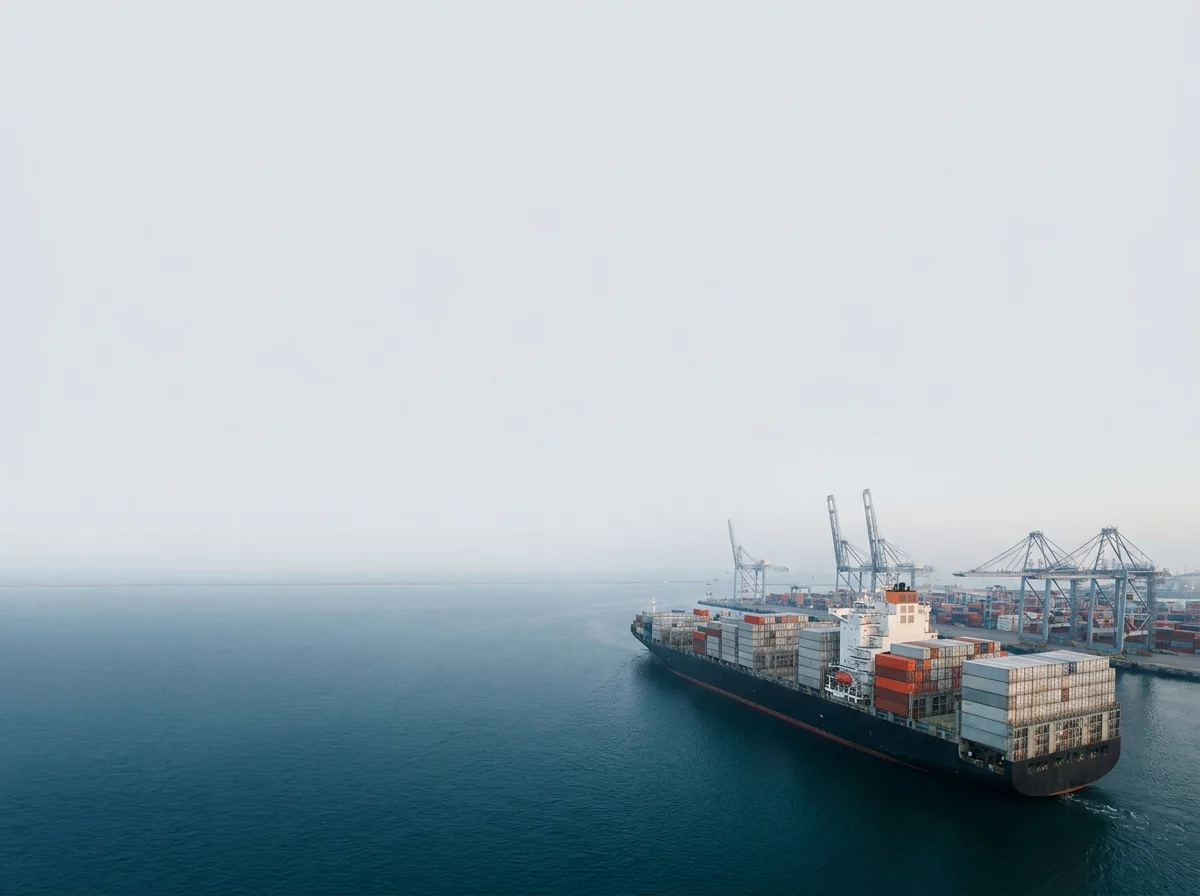
Compare direct FCL and LCL services into Tokyo / Yokohama. We quote the sailing, destination handling, NACCS entry handoff, and final truck together so a short ocean leg does not hide a slow release.
port-to-port planning range
customs declaration path
standard import consumption tax
owner from pickup to delivery
Where sea freight fits
Duty follows the Japanese tariff classification and any valid preference; consumption tax is calculated separately. The operating plan keeps that entry work attached to the freight booking.
Direct container service into Tokyo / Yokohama for planned volume, with destination charges and the final truck priced before sailing.
Consolidate smaller or multi-supplier cargo; allow for China CFS and Japan deconsolidation time.
Compare the ocean leg with delivery from Tokyo, Yokohama, Osaka, Kobe, and Nagoya, not the headline sailing alone.
Port-to-port planning
FCL planning ranges from Yantian, Shekou, Nansha, Shanghai, Ningbo, and Qingdao. The quote confirms the exact sailing and cutoff.
| Destination port | FCL planning range | Route note |
|---|---|---|
| Tokyo | 3-5 days | Kanto distribution |
| Yokohama | 3-5 days | Kanto distribution |
| Nagoya | 3-6 days | Chubu manufacturing region |
| Osaka | 5-8 days | Kansai and western Japan |
| Kobe | 5-8 days | Kansai and western Japan |
Japan entry file
Japanese declarations run through NACCS. The working file is invoice, packing list, B/L or AWB, importer details, and any product-specific certificate or permit.
| Input | Why it matters | When |
|---|---|---|
| Importer / declarant | Japanese importer or appointed customs-procedure agent | Before booking |
| Commercial invoice | Value, seller, buyer, and precise product description | Before departure |
| Packing list | Carton count, gross/net weight, and package marks | Before departure |
| Container cargo description | Supports manifest and advance cargo data | Before carrier cutoff |
| FCL or LCL handling plan | Sets consolidation, destination fees, and release timing | Before booking |
Controlled handoffs
Set the commodity, Japanese importer, Incoterm, destination, and receiving date.
Check the invoice, packing list, HS description, channel inputs, and any Japanese product control.
Collect the supplier cargo, confirm the live cutoff, and track the line-haul milestones.
Coordinate declaration response, duty and consumption tax, release, and handoff to the named Japanese address.
Official references
These authority pages support the customs and marketplace guidance above. Product-specific eligibility still needs a shipment review.
Declaration flow and common supporting documents.
Open official sourceAdvance maritime container cargo information rules.
Open official sourceTariff treatment and import consumption-tax guidance.
Open official source3–8d is the planning range shown for this lane. It is not a guarantee: pickup, consolidation, carrier cutoff, customs, product checks, and final delivery can change the total. The quote confirms the live schedule and scope.
Usually it has fewer handling steps. LCL adds origin consolidation and Japan deconsolidation, so we show those days separately from the sailing.
Plan for invoice, packing list, B/L or AWB, importer details, and any product-specific certificate or permit. The exact set depends on the HS code, importer, product controls, and whether an origin preference is claimed.
Yes, when the commodity and importer structure qualify. DAP leaves Japanese import clearance and taxes with the buyer; DDP assigns them to the seller, but the local legal and tax setup still has to work.
Port-to-port measures only the main vessel or flight leg. Door-to-door also includes supplier pickup, export handling, consolidation, customs clearance, deconsolidation, appointments, and final delivery. Use the door-to-door range for inventory planning because those handoffs often explain more delay than the advertised main-leg transit.
Japan sea freight quote
Send the origin, destination, CBM, container size, weight, commodity, ready date, and importer status. We will return the workable route, entry handoff, and delivery scope.
Send the origin, destination, CBM, container size, weight, commodity, ready date, and importer status. We will return the workable route, entry handoff, and delivery scope.