Air freight
For launch stock and urgent replenishment when the carrier accepts the profile. CASA and IATA rules apply.

Special handling · China → Australia
Standalone cells, packs, and batteries inside equipment shipped from Shenzhen to Australia. Australia's dangerous goods framework (the Australian Dangerous Goods Code, CASA for air, IMDG for sea) plus DAFF biosecurity screening are reviewed first, then the mode that will actually be accepted is quoted.
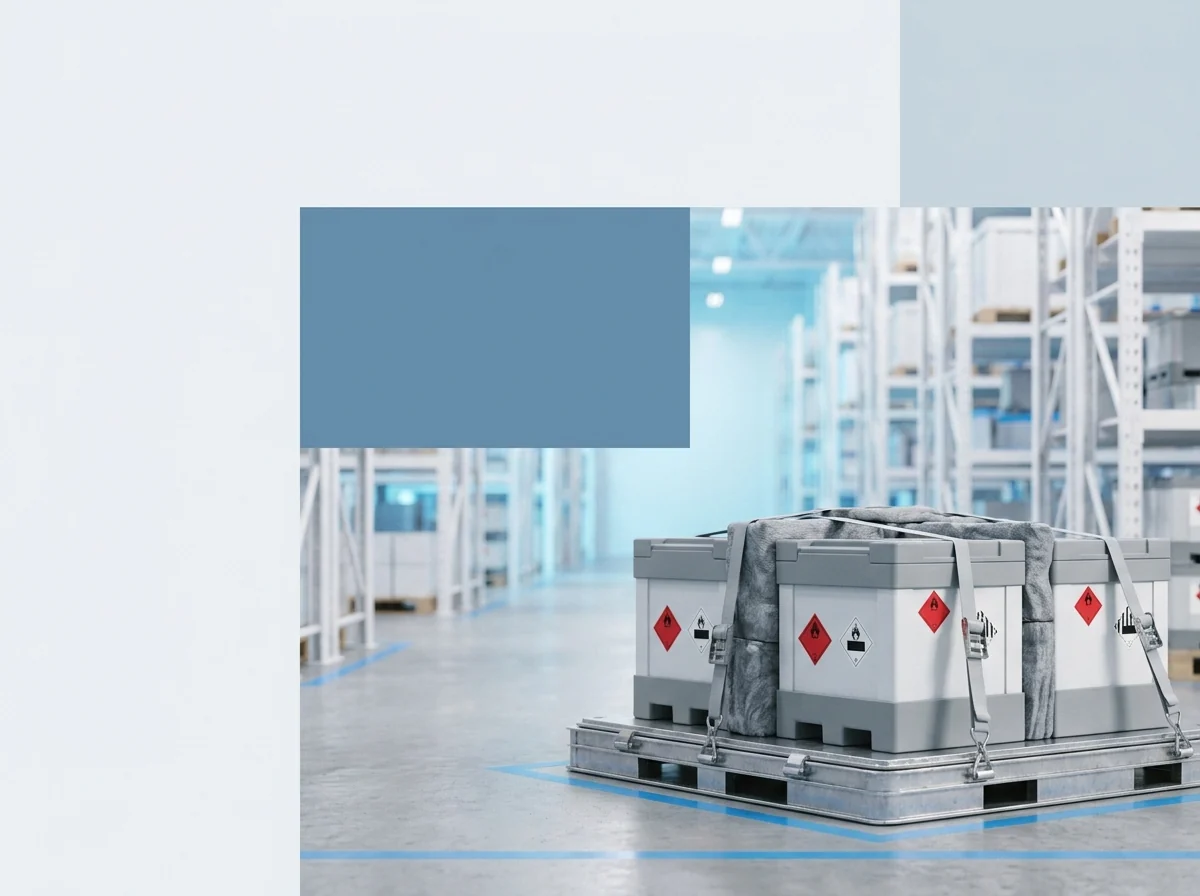
Document pre-check target
Australian DG regulations
Compared per profile
screened at origin
Mode comparison
For launch stock and urgent replenishment when the carrier accepts the profile. CASA and IATA rules apply.
For planned replenishment and profiles where the ocean route gives more packaging flexibility. IMDG Code plus DAFF biosecurity screening apply.
Separate batteries from devices when one booking would create a preventable acceptance or biosecurity risk.
Australian compliance first
Give us the chemistry, watt-hour rating, packaging, and test documents. Australia adds biosecurity screening on top of DG rules — both are reviewed before quoting.
| Input | Why it matters for Australia | Review |
|---|---|---|
| Battery chemistry | Classifies DG handling and carrier acceptance | Required |
| Watt-hour rating | Changes packing and mode constraints | Required |
| UN38.3 test summary | Required for Australian import and carrier acceptance | Required |
| MSDS / SDS | Confirms product composition | Required |
| Packing relationship | Standalone, packed with, or contained in equipment | Critical |
| Biosecurity + ISPM 15 | DAFF screens even DG cargo; timber packaging checked | Required |
Controlled handoff
Chemistry, rating, quantity, and packing relationship captured before quoting.
UN38.3, SDS, ADG Code classification, and biosecurity profile checked against the route.
Origin staff confirm marks, labels, overpack, ISPM 15 timber compliance, and carrier-ready paperwork.
DG customs entry plus DAFF biosecurity clearance and final-mile delivery.
No. Australian air acceptance depends on chemistry, watt-hour rating, state of charge, packing relationship, labelling, and carrier policy. CASA and IATA rules apply. We review the actual profile and tell you when a configuration cannot fly.
Yes. DAFF screens cargo for timber packaging (ISPM 15), container cleanliness, and restricted materials — even DG cargo. Untreated timber or contamination can hold a battery shipment just as it would any other. We screen at origin.
UN38.3 is the transport test standard for lithium cells and batteries, required for Australian import and carrier acceptance. Your battery manufacturer should provide it.
This corridor covers what Australia specifically requires — the ADG Code, CASA/IATA air acceptance, IMDG plus DAFF biosecurity for sea, and DG customs entry. Our lithium battery industry guide covers the cargo profile: chemistry, watt-hours, packing relationships, and UN38.3 in depth.
Generally the ocean route offers more packaging flexibility and broader acceptance under IMDG, though DAFF biosecurity adds a layer. It is not unregulated — DG and biosecurity rules both apply. It buys flexibility, not an exemption.
Yes. The packing relationship changes the transport classification, packing instructions, marks, documents, and carrier options. State exactly how each battery relates to the equipment and provide photographs or a packing diagram when unclear. Do not describe standalone spare batteries as accessories inside a device.
Battery lane review · Australia
Share the battery type, watt-hour rating, packing relationship, and Australian destination. A specialist replies with the document gaps, biosecurity profile, and the air or sea options.
Share the battery type, watt-hour rating, packing relationship, and Australian destination. A specialist replies with the document gaps, biosecurity profile, and the air or sea options.